Read and Download Free eBooks
/
Categories
Browse by category
1,965 books to get lost inYours to read. Yours to keep.








No books found.
Try another title or author.
Try another title or author.
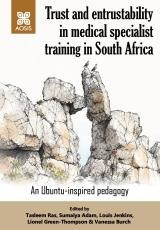
The medical specialist training landscape in South Africa (SA) is grounded in a tradition of learning in the clinical workplace for at least four years, with a single exit examination assessing clinical competence, knowledge and complex clinical reasoning. However, given the broad scope of specialist…
The medical specialist training landscape in South Africa (SA) is grounded in a tradition of learning in the clinical workplace for at least four years, with a single exit examination assessing clinical competence, knowledge and complex clinical reasoning. However, given the broad scope of specialist practice, it is impossible to assess all aspects of training in this single assessment. Consequently, it is not possible to make a categorical statement on the holistic clinical competence of trainees using the data derived from the current assessment model.
A rational solution to this dilemma could be the introduction of formal continuous assessments within the workplace, aptly called workplace-based assessments (WBA). As the name implies, this is based on the overall performance of trainees in real-life situations. These assessments need to be well planned, implemented by appropriately trained supervisors, reported in a manner that facilitates defensible progression decisions about trainees and allow faculty to make final decisions about trainees’ clinical competence across a range of domains that characterise the specific discipline. The evidence for the impact of this type of complex intervention on trainee performance, assessment quality and impact on skills development has been well documented in high-income countries, but less so in low-middle-income countries globally and even less in Africa.